

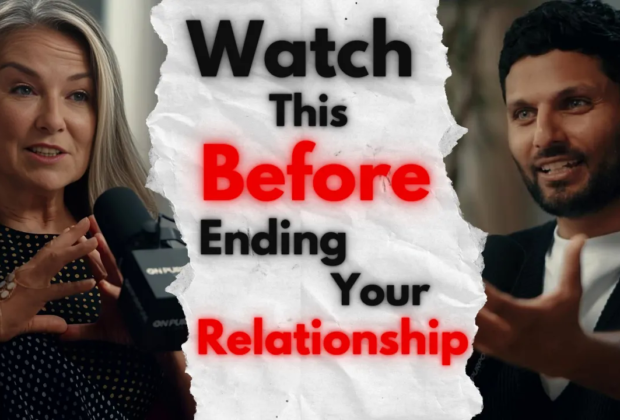
Overview: Should You Stay or Go?

The Central Question: Should I Stay or Should I Go?
How do you know if a relationship is worth saving? This is one of the most important questions you can ask yourself. It’s a question that weighs heavy on many hearts.
The truth is simple but hard to accept. No decision is perfect. Every choice brings loss.
Every Choice Comes with Grief
“Every choice comes with loss… the consequence is the choice you didn’t make.”
Even when you make a decision, part of you may hold the other side. You might choose to stay while part of you wonders what leaving would be like. Or you might leave while grieving what could have been.
If you think your decision is 100% perfect with no doubt, that’s a setup for disappointment.
The Emotional Complexity of Staying or Going
If You Leave
When you leave, you need to grieve the loss of good things. Even if it’s just the dream of what was, there is loss. You may grieve:
- Things that were actually good in the relationship
- High hopes that didn’t materialize
- Mistakes you made along the way
- The wish that you had left sooner
If You Stay
When you stay, you have to grieve too. You grieve the part of you that will never know what life would have been like if you left. You may grieve:
- Your inability to make things work perfectly
- The fact that you weren’t capable of fixing everything
- Dreams that didn’t come true
Why Grieving Is Essential
No choice is without loss. Some grief is attached to every decision. But that doesn’t mean you made the wrong choice. Grief is simply part of the process.
Being able to grieve is essential whether you stay or leave. It helps you move forward with peace.
When Breakups Feel Like Addiction
Some people experience heartbreak with intense pain. The ache is so deep that their longing becomes obsessive. They feel:
- A sense of fracturing on the inside
- Trapped in constant memories
- Withdrawal symptoms, like an addiction
This extreme kind of breakup has been compared to addiction. It affects the same centers in the brain. The withdrawal feels real and overwhelming.
What It Really Takes to Save a Relationship
Many people think saving a relationship means more date nights or spending more time together. But the reality goes much deeper.
It’s not just about asking the other person to change. Real transformation requires looking inward and working together to build something new.
Keywords: stay or go relationship, relationship grief, decision making in relationships, breakup pain, saving a relationship, relationship loss
Why Some Breakups Feel Like Addiction

When Heartbreak Feels Like Withdrawal
Some breakups hurt more than others. The pain goes beyond sadness. It feels like something inside you is breaking apart.
You might feel:
- Intense longing for your ex
- Obsessive thoughts and memories
- Physical pain in your chest or stomach
- A constant ache that won’t go away
This isn’t just heartbreak. It’s something deeper.
The Brain Science Behind Breakup Pain
“This extreme kind of breakup… has been compared to an addiction because of those intense sense of withdrawal.”
When you go through a painful breakup, your brain reacts like it’s going through withdrawal. The same brain centers that light up during addiction become active during heartbreak.
This is real. It’s not just in your head. Your brain is processing the loss like it lost something it was dependent on.
Why It Feels So Intense
During a relationship, your brain gets used to certain patterns. It expects:
- The comfort of your partner’s presence
- Regular connection and contact
- Shared routines and rituals
- Emotional support and validation
When that suddenly stops, your brain goes into panic mode. It craves what it’s lost. This creates the feeling of withdrawal.
Physical and Emotional Symptoms
Heartbreak withdrawal can produce real symptoms:
- Physical pain: Chest tightness, stomach aches, headaches
- Sleep problems: Insomnia or sleeping too much
- Loss of appetite: Or eating too much to cope
- Obsessive thinking: Replaying memories over and over
- Intense cravings: Wanting to see or talk to your ex
- Mood swings: From hope to despair and back again
These symptoms mirror what happens during substance withdrawal. Your body and mind are adjusting to a new reality.
This Grief Is Normal
If you’re experiencing intense pain after a breakup, you’re not broken. You’re not weak. You’re having a normal human response to loss.
The intensity of your grief doesn’t mean you made the wrong choice. It doesn’t mean you should go back. It just means you loved deeply and you’re processing that loss.
The Path Forward
Like any withdrawal, this gets better with time. Your brain will adjust. The pain will soften. But it takes patience and self-compassion.
You don’t have to rush the process. Give yourself permission to grieve. Seek support from friends, family, or a therapist. Take care of your body and mind.
The withdrawal will pass. Healing will come.
Keywords: breakup addiction, heartbreak withdrawal, brain and heartbreak, breakup pain, emotional withdrawal, relationship loss
What It Really Takes to Save a Relationship

The Myths About Saving a Relationship
Many people believe that saving a relationship means:
- Planning more date nights
- Spending more quality time together
- Asking your partner to change completely
These things might help. But they don’t get to the root of the problem.
The Harder Question: What Can I Do?
The real work starts with you. Not with your partner.
“The hardest thing to do is to actually say, ‘What can I do?’ because if you change it is quite sure that it will also create change on the other side.”
This is hard. It’s easier to point at your partner and list what they need to fix. But real change starts when you ask yourself: What can I do differently?
Understanding Interdependence
Relationships work like a figure-eight pattern. You and your partner are connected. When one person changes, it affects the other.
This is called interdependence. You influence each other constantly. Your actions create reactions. Their responses shape your next move.
If you shift your behavior, your partner will likely shift too. It’s not guaranteed, but it’s the principle that makes change possible.
Concrete Actions You Can Take
Here are small, practical steps to start changing the dynamic:
1. Listen More Deeply
Stop trying to win arguments. Instead, listen to understand. What is your partner really saying? What do they need to feel valued?
2. Pay Attention to Patterns
Notice what triggers fights. Is it really about the dishes? Or is it about feeling unseen or unappreciated?
3. Change One Small Habit
Pick one behavior that might be feeding the problem. Maybe you:
- Interrupt when they’re talking
- Dismiss their feelings
- Avoid difficult conversations
Change that one thing. See what happens.
4. Ask Instead of Assume
Don’t assume you know what your partner thinks or feels. Ask them. Be curious instead of defensive.
5. Take Responsibility
Own your part in the conflict. Even if it’s small. This opens the door for your partner to do the same.
It’s a Principle, Not a Guarantee
Changing yourself doesn’t guarantee your relationship will be saved. But it’s the most powerful tool you have.
When you stop trying to control your partner and start focusing on your own actions, you create space for something new to grow.
You break old patterns. You model a different way of being. And often, your partner will respond.
Why This Is So Hard
Changing yourself feels risky. You might worry:
- What if I change and they don’t?
- What if I lose part of who I am?
- What if it doesn’t work?
These fears are real. But staying stuck in the same patterns guarantees nothing will improve.
Change requires courage. It requires humility. And it requires letting go of the need to be right.
The Path to Repair
Saving a relationship isn’t about grand gestures. It’s about small, consistent shifts in how you show up.
It’s about asking: What can I do differently today?
Start there. One small step at a time.
Keywords: save a relationship, relationship repair steps, what to do to save marriage, how to fix a relationship, relationship change, interdependence in relationships
Uncovering the Real Issues Behind Arguments

It’s Not About the Dishes
You fight about when to do the dishes. Or who takes out the trash. Or what time to leave for dinner.
But here’s the truth: it’s rarely about the dishes.
“It’s not what you fight about; it’s what you fight for… recognition, power, trust and value.”
Every argument has a surface level and a deeper level. On the surface, you’re fighting about chores. Underneath, you’re fighting for something much bigger.
The Hidden Fights
When couples argue, they’re usually fighting for one of these deeper needs:
- Recognition: Do you see me? Do you notice what I do?
- Power: Do I have a say in this relationship?
- Respect: Do you value my opinion?
- Trust: Can I count on you?
- Value: Do I matter to you?
These are the real issues. The dishes are just the trigger.
A Common Example
Imagine this: One partner wants the dishes done right after dinner. The other wants to relax first and do them later.
On the surface, it’s about timing. But dig deeper:
- One person might feel: “If you cared about me, you’d help me right away.”
- The other might feel: “You’re trying to control me. I need space to breathe.”
The fight isn’t about dishes. It’s about feeling valued versus feeling controlled.
What Happened to You?
Sometimes we bring old wounds into new fights. Past experiences shape how we see every situation.
Ask yourself:
- What happened to you that makes you see every disagreement as a power struggle?
- Why do you feel like you have to stand your ground every time?
- What makes you think that giving in means losing yourself?
These questions reveal the frame you’re using. And that frame might not match the truth of your current relationship.
The Slippery Slope Fear
Many people fear that giving in once means giving in forever. They think:
- “If I let this go, I’ll lose all my power.”
- “This is the beginning of a slippery slope.”
- “I have to hold my ground or I’ll disappear.”
But this fear is often based on past experiences, not present reality. It’s a frame, not the truth.
Two Key Questions
To uncover what you’re really fighting for, ask yourself these questions:
If You’re the One Who Always Pushes
What happens if the other person gets their way?
Do you fear you’ll be invisible? Unimportant? Controlled? What’s the real worry beneath the surface?
If You’re the One Who Always Resists
What happens when you don’t get your way?
Can you still feel confident? Can you still feel like yourself? Or do you feel like you’re losing a part of who you are?
Steps to Identify What You’re Really Fighting For
Here’s how to dig beneath the surface of your arguments:
1. Pause Before Reacting
When a fight starts, take a breath. Ask yourself: “What am I really upset about?”
2. Name the Deeper Need
Is it recognition? Respect? Trust? Power? Value? Try to name the real feeling.
3. Share the Deeper Truth
Instead of arguing about the dishes, say: “I feel like you don’t see how hard I work.” Or: “I feel controlled when you tell me when to do things.”
4. Listen for Your Partner’s Deeper Need
What are they really fighting for? Try to hear past their words to the need underneath.
5. Look for Patterns
Do the same themes come up again and again? That’s a clue to the real issue.
Breaking the Cycle
Once you see the hidden fight, you can address the real problem. You can say:
- “I need to feel like my efforts are noticed.”
- “I need to feel like I have some control over my time.”
- “I need to know that you trust me.”
This changes everything. You’re no longer fighting about dishes. You’re talking about what really matters.
The Power of Awareness
You don’t have to solve everything at once. Just start by noticing.
What are you really fighting for? What is your partner fighting for?
When you uncover the real issues, you create space for real solutions.
Keywords: relationship fights meaning, hidden issues in arguments, fights about chores, what couples really fight about, power struggles in relationships, recognition in relationships

What Is a Relationship Operating System?
Every person has their own operating system. It’s the set of beliefs, habits, and routines that guide how you live your life.
You have ideas about:
- When to wake up and go to bed
- How to handle money
- How to spend free time
- How to show love
- How to deal with conflict
Your partner has their own operating system too. And it’s probably different from yours.
The Problem with Projecting
“Many of our challenges exist because we project our operating system onto someone else rather than creating one with them.”
When you assume your partner should think and act like you, friction happens. You expect them to follow your rules without ever discussing them.
This causes fights. Resentment builds. You feel like they’re doing things wrong, and they feel the same about you.
Why You Need a Shared System
A shared operating system is a set of beliefs and routines you create together. It’s not yours or theirs. It’s ours.
This shared system helps you:
- Reduce recurring fights
- Build trust and alignment
- Feel like a team instead of opponents
- Prevent misunderstandings
It’s the foundation for a healthy relationship.
Step 1: Communicate Your Expectations
The first step is to talk openly about what you each expect. Don’t assume your partner knows what you need.
How to Do It:
- Set aside time to talk without distractions
- Share your beliefs about key areas: money, time, chores, communication, intimacy
- Ask your partner to share theirs
- Listen without judgment
Example Questions:
- How do you think we should handle household chores?
- What does quality time mean to you?
- How do you like to resolve disagreements?
- What makes you feel loved and valued?
Write down your answers. This helps you see where you align and where you differ.
Step 2: Negotiate Your Routines
Once you know each other’s expectations, it’s time to negotiate. You won’t agree on everything. That’s okay.
The goal is to find a middle ground that works for both of you.
How to Negotiate:
- Identify areas of conflict
- Explore why each routine matters to you
- Look for compromises
- Be willing to let go of some things
Example:
- You: “I need the house clean before bed to feel relaxed.”
- Partner: “I need time to unwind before doing chores.”
- Compromise: “Let’s clean up together after 30 minutes of downtime.”
This creates a new routine that respects both needs.
Step 3: Test and Adjust
Your shared operating system isn’t set in stone. It’s a living document. Try your new routines and see how they work.
How to Test:
- Commit to trying the new routine for a set period (like two weeks)
- Check in with each other regularly
- Ask: “Is this working for you?”
- Be honest if something isn’t working
How to Adjust:
- If a routine doesn’t work, revisit the conversation
- Explore what went wrong
- Make small changes and try again
The goal is progress, not perfection.
Step 4: Build Small Rituals
Small rituals help you stay aligned. They create connection and prevent fights before they start.
Examples of Small Rituals:
- Morning check-in: Share one thing you’re grateful for
- Evening debrief: Talk about your day for 10 minutes
- Weekly planning: Review the week ahead together
- Monthly review: Discuss what’s working and what’s not in your relationship
These rituals keep you connected. They remind you that you’re on the same team.
Common Areas to Address
Here are key areas where couples need a shared operating system:
Money
- How do we handle shared expenses?
- Do we have joint or separate accounts?
- How do we make big financial decisions?
Household Chores
- Who does what?
- When do we do them?
- How do we handle it when someone doesn’t follow through?
Time Together
- How much quality time do we need?
- What does quality time look like?
- How do we balance couple time with personal time?
Communication
- How do we handle disagreements?
- What do we do when we’re upset?
- How do we express our needs?
Intimacy
- What does intimacy mean to each of us?
- How do we stay connected physically and emotionally?
- How do we handle differences in desire?
What Happens When You Co-Create
When you build a shared operating system, you:
- Stop fighting about the same things over and over
- Feel heard and valued
- Build trust and respect
- Create a sense of partnership
- Make decisions together instead of against each other
You’re no longer two people trying to force your own system on the other. You’re two people building something new together.
A Final Note
Creating a shared operating system takes time. It takes patience. It takes humility.
But it’s worth it.
When you stop projecting your system onto your partner and start co-creating one together, everything changes.
You become a team. And that’s when a relationship truly thrives.
Keywords: shared relationship rules, co-creating couple routines, relationship operating system, couple communication, relationship rituals, relationship alignment
Power, Fear, and the Balance of Influence
The Two Core Fears in Every Relationship
Every relationship has a delicate balance. Two people come together with different fears and different needs.
“In every relationship you will find that there often is one person who is more afraid of losing the other and one person who is more afraid of losing themselves.”
These two fears shape everything. They drive how you argue, how you compromise, and how you connect.
Fear of Losing the Other
Some people are terrified of abandonment. They worry:
- What if my partner leaves me?
- What if I’m not enough?
- What if they find someone better?
This fear makes them hold on tight. They might:
- Compromise too quickly
- Avoid conflict to keep the peace
- Give up their own needs to please their partner
- Feel anxious when their partner pulls away
They fear that if they push too hard or ask for too much, they’ll be left alone.
Fear of Losing Yourself
Other people are terrified of losing their identity. They worry:
- What if I disappear in this relationship?
- What if I give up too much of who I am?
- What if I lose my freedom?
This fear makes them guard their boundaries. They might:
- Resist compromise
- Push back against requests
- Need a lot of space and independence
- Feel suffocated when their partner wants more closeness
They fear that if they give in too much, they’ll lose themselves.
How These Fears Create Power Struggles
When these two fears meet, they create a push-pull dynamic. One person reaches out. The other pulls back. One person asks for more. The other needs space.
This looks like a power struggle. But underneath, it’s really about fear.
The Cycle:
- Person A (afraid of losing the other) asks for more connection
- Person B (afraid of losing themselves) feels pressured and pulls away
- Person A feels rejected and asks even more urgently
- Person B feels even more suffocated and pulls away further
- The cycle repeats and escalates
Neither person is wrong. Both are just trying to protect themselves from their deepest fear.
How Fear Shapes Concessions
Your fear determines what you’re willing to give up.
If You Fear Losing the Other:
You might give up too much. You might:
- Say yes when you mean no
- Ignore your own needs
- Accept behavior that hurts you
- Lose touch with who you are
You make concessions to keep your partner close. But over time, you may feel resentful or invisible.
If You Fear Losing Yourself:
You might hold on too tight to your independence. You might:
- Say no to reasonable requests
- Keep your partner at arm’s length
- Avoid vulnerability
- Miss opportunities for deeper connection
You protect your boundaries to stay whole. But over time, your partner may feel rejected or unimportant.
How Fear Shapes Boundaries
Boundaries are important. But fear can distort them.
Healthy Boundaries:
- Protect your well-being
- Allow for connection and independence
- Are flexible and negotiated together
- Respect both people’s needs
Fear-Based Boundaries:
- Are rigid or non-existent
- Protect you from imagined threats
- Push your partner away or pull them too close
- Create distance instead of safety
The key is to notice when your boundaries are driven by fear instead of true need.
Practical Prompts to Reflect on Your Fears
Here are some questions to help you understand your own patterns:
Reflect on Your Core Fear:
- Which fear is stronger for me: losing my partner or losing myself?
- When do I feel this fear most intensely?
- How does this fear show up in my behavior?
Notice Your Patterns:
- Do I tend to give in too easily or resist too strongly?
- Do I reach out for connection or pull away?
- What am I really afraid will happen if I do the opposite?
Explore Your Reactions:
- When my partner asks for something, what’s my first reaction?
- When my partner pulls away, what’s my first reaction?
- What am I trying to protect when I react this way?
Challenge Your Assumptions:
- Is my fear based on what’s happening now or what happened in the past?
- What evidence do I have that my fear is true?
- What might happen if I took a small risk in the opposite direction?
Communicate Your Fear:
- Can I tell my partner what I’m really afraid of?
- Can I ask my partner what they’re afraid of?
- Can we talk about our fears without blaming each other?
Finding Balance
The goal isn’t to eliminate fear. It’s to recognize it and work with it.
When you understand your own fear, you can:
- Catch yourself before you react
- Communicate your needs more clearly
- Make choices based on what you truly want, not just what you’re afraid of
When you understand your partner’s fear, you can:
- See their behavior as protective, not personal
- Respond with compassion instead of defensiveness
- Work together to create safety for both of you
Moving Toward Mutual Safety
A healthy relationship creates safety for both fears. It says:
- “You won’t lose me.”
- “You won’t lose yourself.”
This requires both people to stretch. The person afraid of losing the other needs to practice independence. The person afraid of losing themselves needs to practice vulnerability.
It’s not easy. But it’s possible.
The Power of Awareness
You don’t have to fix everything at once. Just start by noticing.
Which fear drives you? Which fear drives your partner?
When you see the fear beneath the struggle, you can start to respond differently.
You can build a relationship where both people feel safe. Where both people feel seen. Where both people can be themselves and be together.
That’s the balance worth fighting for.
Keywords: power struggles in relationships, fear of abandonment, relationship boundaries, fear of losing yourself, relationship fears, balance in relationships
How to Change Without Losing Identity
The Fear of Changing
One of the biggest fears in a relationship is this: if I change, will I lose myself?
You worry that accepting your partner’s influence means giving up who you are. You fear that compromise equals surrender.
But here’s a different way to think about it.
“Can you experience change as an expansion, something that you let in, rather than a loss of your identity?”
Change doesn’t have to mean loss. It can mean growth. It can mean becoming more, not less.
Reframe Change as Expansion
When your partner asks you to change, it’s easy to feel threatened. You think: “They want me to be someone I’m not.”
But what if change is actually an invitation? An invitation to:
- See things from a new perspective
- Learn something you didn’t know
- Grow beyond your current limits
- Add to who you are, not subtract from it
This is expansion. You’re not losing yourself. You’re letting something new in.
The Difference Between Expansion and Loss
Change as Loss:
- Feels like giving up a part of yourself
- Makes you feel smaller or less important
- Comes from fear or pressure
- Leaves you feeling resentful
Change as Expansion:
- Feels like adding to who you are
- Makes you feel more capable and flexible
- Comes from curiosity and openness
- Leaves you feeling enriched
The key is to approach change with the right mindset.
How to Let Your Partner Influence You
Here are practical steps to accept influence while protecting your core identity.
Step 1: Test Small Changes
You don’t have to change everything at once. Start small.
How to Do It:
- Pick one small request your partner has made
- Try it for a short period (like one week)
- Notice how it feels
- Reflect on whether it added value to your life or felt like a loss
Example:
Your partner asks you to text them when you’ll be home late. You resist because it feels controlling. But you try it for a week. You notice it actually reduces their anxiety and doesn’t cost you much. You decide to keep doing it.
This is expansion. You added a small habit that made your partner feel valued without losing your freedom.
Step 2: Keep Core Boundaries
Not every change is good for you. Some requests cross your core values or needs.
How to Identify Core Boundaries:
- Ask yourself: Does this request violate my core values?
- Ask yourself: Will this harm my well-being?
- Ask yourself: Does this feel like I’m disappearing?
If the answer is yes, it’s okay to say no.
Example:
Your partner asks you to stop seeing your best friend because they feel jealous. This crosses a core boundary. Your friendships are part of who you are. You can say no without guilt.
How to Protect Core Boundaries:
- Be clear about what you’re willing to change and what you’re not
- Explain why certain things are non-negotiable
- Offer alternative solutions that respect both your needs
Step 3: Check In Regularly
Change is an ongoing process. Check in with yourself and your partner regularly.
Questions to Ask Yourself:
- How do I feel about the changes I’ve made?
- Do I feel like I’m growing or shrinking?
- Am I resentful or at peace?
- What’s working and what’s not?
Questions to Ask Your Partner:
- How are these changes affecting you?
- What else do you need from me?
- Are there changes you’re willing to make too?
Regular check-ins help you adjust before resentment builds.
Step 4: Ask for Reciprocity
Influence should go both ways. If you’re changing, your partner should be willing to change too.
How to Ask for Reciprocity:
- Share what you need from your partner
- Be specific about what would help you feel valued
- Frame it as a mutual process: “I’m working on this. Can you work on that?”
Example:
You agree to be more communicative about your schedule. In return, you ask your partner to give you space when you need alone time. Both of you are stretching.
This creates balance. You’re both expanding, not just one person giving up.
The Role of Humility and Curiosity
Two attitudes make change easier: humility and curiosity.
Humility
Humility means admitting you don’t have all the answers. It means accepting that your way isn’t the only way.
How to Practice Humility:
- Acknowledge when your partner has a point
- Say “I didn’t think of it that way” instead of “You’re wrong”
- Be willing to learn from your partner
Humility doesn’t make you weak. It makes you flexible.
Curiosity
Curiosity means approaching your partner’s perspective with openness. It means asking questions instead of defending yourself.
How to Practice Curiosity:
- Ask: “Why is this important to you?”
- Ask: “What would it look like if I did this differently?”
- Ask: “How can we both get what we need?”
Curiosity turns conflict into collaboration.
What Expansion Looks Like in Practice
Here are real examples of how change can be expansion:
Example 1: Learning to Communicate Differently
- Your way: You process emotions alone and talk later.
- Partner’s way: They need to talk things out right away.
- Expansion: You learn to share a little in the moment, even if you’re not ready to solve it. You say: “I’m feeling upset. I need some time, but let’s talk in an hour.” Your partner learns to give you space while knowing you’ll come back.
You didn’t lose your need for processing time. You added a new skill: communicating in the moment.
Example 2: Trying New Activities
- Your way: You love quiet weekends at home.
- Partner’s way: They love adventure and going out.
- Expansion: You agree to try one new activity per month. You discover you enjoy some of them. You also keep some weekends for quiet time.
You didn’t lose your love of rest. You added new experiences.
Example 3: Handling Conflict
- Your way: You avoid conflict and hope it goes away.
- Partner’s way: They want to address issues immediately.
- Expansion: You learn to stay in the conversation longer than feels comfortable. You practice saying what you need instead of shutting down.
You didn’t lose your desire for peace. You added courage.
When Change Feels Like Loss
Sometimes change does feel like loss. That’s a signal to slow down and examine what’s happening.
Ask Yourself:
- Am I changing to avoid conflict or because I genuinely see value?
- Am I losing touch with my core values?
- Am I the only one changing in this relationship?
If you answer yes, it’s time to pause and reassess.
What to Do:
- Talk to your partner about how you’re feeling
- Revisit your boundaries
- Consider whether this relationship allows you to be yourself
Not all relationships are healthy. Some require you to shrink. If that’s the case, it might be time to reconsider the relationship itself.
The Gift of Mutual Influence
When both people are willing to change and grow, something beautiful happens. You create a relationship where:
- Both people feel seen and valued
- Both people expand beyond who they were
- Both people keep their core identity intact
- Both people become better versions of themselves
This is the goal. Not to lose yourself, but to grow together.
Final Thoughts
Change doesn’t have to mean loss. It can mean expansion.
When you approach your partner’s influence with humility and curiosity, you open the door to growth. When you test small changes, protect core boundaries, and ask for reciprocity, you stay true to yourself while building something stronger together.
You don’t have to choose between being yourself and being in a relationship. You can do both.
The question isn’t: “Will I lose myself if I change?”
The question is: “How can I grow without losing who I am?”
And the answer is: one small, intentional step at a time.
Keywords: change in relationships, maintain identity in relationship, expand through influence, how to compromise without losing yourself, accepting influence in relationships, relationship growth
Practical Exercises to Improve Connection
Why Practice Matters
You’ve learned the concepts. You understand the patterns. Now it’s time to put them into action.
Real change happens through practice. Small, consistent actions build new habits. These exercises will help you strengthen your connection and break old patterns.
You don’t have to do everything at once. Start with one exercise. Try it for a week. See what shifts.
Exercise 1: The One-Thing-Change Challenge
This exercise helps you take responsibility for your part in the relationship dynamic.
“What’s one thing I could choose that I know would improve the relationship?”
How It Works:
Step 1: Ask yourself this question: “What’s one thing I could choose that I know would improve the relationship?”
Be honest. Don’t think about what your partner should do. Focus only on what you can control.
Step 2: Pick one small, specific action. Examples:
- Listen without interrupting when my partner talks
- Say thank you when my partner does something helpful
- Ask about my partner’s day before talking about mine
- Take a breath before reacting in an argument
- Initiate a hug or kiss once a day
Step 3: Commit to doing this one thing every day for one week.
Step 4: At the end of the week, reflect:
- How did it feel to make this change?
- Did you notice any shifts in your partner’s responses?
- Do you want to continue this practice?
- What’s the next small change you could make?
Why This Works:
When you change your behavior, you change the dynamic. Your partner will likely respond differently. This creates a positive cycle of change.
Exercise 2: The Dish-Time Negotiation Script
This exercise helps you practice negotiating routines and creating a shared operating system.
The Scenario:
You and your partner disagree about when to do the dishes. One wants them done right after dinner. The other wants to relax first.
The Script:
Use this script as a template for any routine you need to negotiate.
Step 1: Share Your Preference and Why
- Partner A: “I prefer to do the dishes right after dinner because it helps me feel calm and organized before bed.”
- Partner B: “I prefer to do them later because I need time to unwind after eating.”
Step 2: Ask About the Underlying Need
- Partner A: “What is it about unwinding that’s important to you?”
- Partner B: “I feel stressed if I have to jump right into another task. I need a mental break.”
Step 3: Share the Underlying Need
- Partner A: “For me, seeing dirty dishes makes me feel anxious. I can’t relax until they’re done.”
- Partner B: “I understand. I just need a little breathing room first.”
Step 4: Brainstorm Solutions Together
- Partner A: “What if we set a specific time, like 30 minutes after dinner, to do them together?”
- Partner B: “That could work. Or what if we alternate? One night you relax while I clean, and the next night we switch?”
- Partner A: “I like the idea of doing them together after a short break. Let’s try that.”
Step 5: Commit to a Trial Period
- Both: “Let’s try this for two weeks and check in. If it’s not working, we’ll adjust.”
How to Use This Script:
- Pick any routine or habit you disagree on
- Follow the steps above
- Focus on understanding each other’s needs, not just positions
- Be willing to compromise
- Check in after the trial period and adjust as needed
Why This Works:
Negotiation creates a shared operating system. You stop fighting about the same things because you’ve agreed on a routine together.
Exercise 3: The 10-Minute Daily Check-In
This exercise helps you stay connected and prevent small issues from becoming big fights.
How It Works:
Step 1: Set aside 10 minutes every day to check in with each other. Pick a consistent time, like after dinner or before bed.
Step 2: Take turns answering these questions:
- What’s one thing that went well today?
- What’s one thing that was hard today?
- What’s one thing you need from me right now?
Step 3: Listen without interrupting. Don’t try to fix or solve. Just listen and acknowledge.
Step 4: End with a moment of connection: a hug, a kiss, or a simple “I’m glad we did this.”
Why This Works:
Daily check-ins keep you aligned. They help you catch small issues before they grow. They create a habit of connection and communication.
Exercise 4: Tracking Progress
Change takes time. Tracking your progress helps you see the shifts that are happening.
How to Track:
Option 1: Journal Prompts
At the end of each week, answer these questions in a journal:
- What did I do differently this week?
- How did my partner respond?
- What felt easier or harder?
- What do I want to try next week?
Option 2: Shared Notes
Create a shared document or notebook where you and your partner both write:
- One thing you appreciated about each other this week
- One thing that felt better
- One thing you want to work on next
Option 3: Weekly Reflection Conversation
Set aside 15 minutes every Sunday to talk about:
- What’s working in our relationship right now?
- What’s one thing we want to improve this week?
- How can we support each other?
Why This Works:
Tracking progress keeps you motivated. It helps you see that small changes add up. It reminds you that you’re moving forward, even when it’s hard.
Exercise 5: Grieving Together
Whether you’re staying or leaving, grief is part of the process. This exercise helps you honor that grief together.
If You’re Staying:
Step 1: Acknowledge what you’re grieving. Examples:
- The dream of a perfect relationship
- The belief that love would be easy
- The version of yourself before this struggle
Step 2: Share your grief with your partner. Say:
- “I’m grieving the fact that we’ve hurt each other.”
- “I’m grieving the time we lost to fighting.”
- “I’m grieving the belief that we’d never struggle like this.”
Step 3: Listen to your partner’s grief without defensiveness.
Step 4: Commit to moving forward together. Say:
- “I’m sad about what we’ve lost, but I’m choosing to stay and build something new.”
If You’re Leaving:
Step 1: Acknowledge what you’re grieving. Examples:
- The good moments you shared
- The future you imagined together
- The part of you that still loves them
Step 2: Allow yourself to feel the grief without judgment. It’s okay to grieve even when you know leaving is right.
Step 3: If possible, share your grief with your partner. Say:
- “I’m grieving what we had and what we couldn’t make work.”
- “I’m sad even though I know this is the right choice.”
Step 4: Give yourself permission to move forward with compassion for both of you.
Why This Works:
Grief is a natural part of change. When you acknowledge it, you make space for healing. You honor what was while making room for what’s next.
Exercise 6: The Fear Reflection
This exercise helps you identify and communicate your core fears.
How It Works:
Step 1: Reflect on these questions alone:
- What am I most afraid of in this relationship?
- Am I more afraid of losing my partner or losing myself?
- How does this fear show up in my behavior?
- What would I do differently if I weren’t driven by this fear?
Step 2: Write down your answers.
Step 3: Share your answers with your partner. Say:
- “I realized I’m afraid of…”
- “This fear makes me…”
- “I want to try…”
Step 4: Listen to your partner’s fears without judgment.
Step 5: Discuss how you can both create safety for each other’s fears.
Why This Works:
When you name your fears, they lose some of their power. When you share them with your partner, you create understanding and compassion.
Exercise 7: The Expansion Experiment
This exercise helps you practice accepting influence while protecting your identity.
How It Works:
Step 1: Pick one small request your partner has made that you’ve been resisting.
Step 2: Ask yourself:
- Why am I resisting this?
- Does this cross a core boundary, or is it just uncomfortable?
- What might I gain if I tried this?
Step 3: If it doesn’t cross a core boundary, commit to trying it for one week.
Step 4: Notice how it feels. Ask yourself:
- Do I feel like I’m losing myself or expanding?
- What’s the impact on my partner?
- Is this something I want to keep doing?
Step 5: Share your experience with your partner. Say:
- “I tried this and here’s what I noticed…”
- “I’m willing to keep doing this because…”
- “This felt hard for me. Can we adjust it slightly?”
Why This Works:
Small experiments help you test change without committing forever. They show you that change can be expansion, not loss.
How to Use These Exercises
You don’t have to do all of these at once. Start small.
Week 1: Try the One-Thing-Change Challenge.
Week 2: Add the 10-Minute Daily Check-In.
Week 3: Pick one area to negotiate using the Dish-Time Script.
Week 4: Reflect on your progress and try the Expansion Experiment.
The key is consistency. Small actions repeated over time create big change.
Final Thoughts
Connection doesn’t happen by accident. It happens through intentional practice.
These exercises give you tools to break old patterns and build new ones. They help you communicate, negotiate, and grow together.
Start today. Pick one exercise. Try it. See what happens.
Change is possible. And it starts with one small step.
Keywords: relationship exercises, couple communication exercises, improve connection, relationship practice activities, daily relationship check-in, negotiation in relationships
Conclusion: Choosing with Compassion
Every Choice Comes with Loss
You’ve reached the hardest part of any relationship journey: making a choice.
Should you stay or should you go? There’s no perfect answer. There’s no choice without loss.
“Every choice comes with loss — and therefore some grief attached to it — that does not mean that you didn’t make the right choice.”
Whether you stay or leave, you will grieve. You will grieve what could have been. You will grieve the path you didn’t take. And that’s okay.
Grief doesn’t mean you failed. It means you loved. It means you tried. It means you’re human.
What You’ve Learned
Throughout this journey, you’ve explored the deeper truths about relationships:
Arguments are rarely about what they seem. You’re fighting for recognition, power, respect, trust, and value—not dishes or schedules.
Change starts with you. When you shift your behavior, you change the dynamic. You can’t control your partner, but you can control yourself.
Every relationship needs a shared operating system. Stop projecting your expectations onto your partner. Build routines and values together.
Fear drives most relationship struggles. One person fears losing the other. One person fears losing themselves. Understanding these fears creates compassion.
Change can be expansion, not loss. You don’t have to lose yourself to grow. You can accept influence while protecting your core identity.
Practice makes progress. Small, consistent actions create real change over time.
Choosing to Stay
If you choose to stay, do it with intention. Don’t stay out of fear or obligation. Stay because you believe in the possibility of something better.
Staying means:
- Committing to do your own work
- Being willing to change and grow
- Creating a shared operating system together
- Practicing compassion for yourself and your partner
- Grieving what didn’t work while building what can
Staying is not giving up. It’s choosing to build something new from what you have.
Choosing to Leave
If you choose to leave, do it with compassion. Don’t leave with bitterness or blame. Leave because you know it’s the right path for both of you.
Leaving means:
- Honoring what was good
- Grieving what you’re losing
- Taking responsibility for your part
- Releasing your partner with respect
- Trusting that both of you will heal
Leaving is not failure. It’s choosing honesty and freedom over suffering.
Choosing with Compassion
Whatever you choose, choose with compassion. Compassion for your partner. Compassion for yourself.
Your partner is not the enemy. They’re a person with their own fears, wounds, and struggles. Even if you part ways, you can do it with kindness.
You are not the enemy either. You did your best with what you knew. You loved. You tried. That matters.
Give Yourself Permission to Grieve
No matter what you choose, give yourself permission to grieve.
Grieve the relationship that didn’t turn out the way you hoped. Grieve the version of yourself that believed it would be easier. Grieve the future you imagined.
Grief is not weakness. It’s the price of love. It’s the process of letting go so you can move forward.
Small Steps Forward
You don’t have to have everything figured out today. You don’t have to make the perfect choice right now.
Take small steps. Reflect deeply. Try one change. Have one honest conversation. Notice what shifts.
Trust that clarity will come. Trust that you have the strength to handle whatever comes next.
You Are Not Alone
Thousands of people face this same question every day. Should I stay or should I go?
You are not alone in your struggle. You are not alone in your pain. You are not alone in your uncertainty.
Reach out for support. Talk to a therapist, a trusted friend, or a counselor. Let people walk with you through this.
The Path Forward
Whether you stay or go, the path forward requires courage. It requires honesty. It requires compassion.
You’ve done the hard work of understanding the deeper patterns. You’ve learned the tools to create change. Now it’s time to choose.
Choose deliberately. Choose with reflection. Choose with compassion.
And trust that whatever you choose, you have the strength to build a meaningful life on the other side.
Final Thoughts
Relationships are complex. Love is messy. Change is hard.
But you are capable. You are worthy. You deserve a relationship where you feel seen, valued, and free to be yourself.
Whether that relationship is with your current partner or someone new, or even just with yourself—you deserve peace.
So take a breath. Be kind to yourself. And take the next small step forward.
You’ve got this.
Keywords: choosing compassion in relationships, grieving choices, relationship decisions, should I stay or go, relationship closure, moving forward after relationship struggle



Offers Free Trials
Over 1M Members
Able To Message & Video Chat With Other Members