

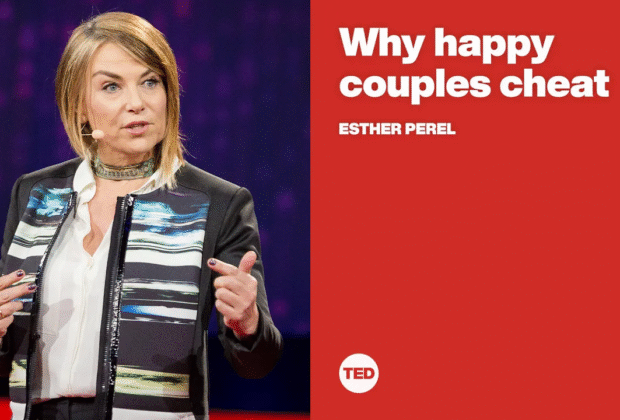
Why Adultery Persists: History & Taboo

adultery has existed since marriage was invented
Adultery is as old as marriage itself. From the very beginning, both have existed side by side. And right alongside adultery, we find the taboo against it.
Infidelity has a staying power that marriage can only envy. It persists across cultures and through time. This makes it a cultural and historical constant, not a modern problem.
The Moral Prohibition
The intensity of the moral ban on adultery is striking. It stands out in moral and religious texts. In fact, this is the only commandment that is repeated twice in the Bible. Once for doing it. And once just for thinking about it. This repetition signals just how important the prohibition is. The act is forbidden. Even the thought is forbidden.
The Paradox
Here lies the paradox. Adultery is universally forbidden. Yet it is also universally practiced. This contradiction sets the stage for a deeper look at infidelity. We cannot simply judge it. We must understand it.
The Emotional Forces
Affairs involve powerful emotions. There is deep desire. There is also deep betrayal. These two forces explain why affairs happen. They also explain why they cause so much pain.
A Balanced Perspective
The therapeutic approach here is neither pro-affair nor purely condemning. Instead, it takes a dual perspective. It recognizes the hurt that affairs cause. But it also sees the potential for growth and insight. This balanced view opens the door to healing and understanding.
So how do we reconcile what is universally forbidden yet universally practiced? How do we heal from an affair? These questions guide the exploration ahead.
When Affairs Kill or Catalyze: Outcomes Explained

Desire runs deep. Betrayal runs deep. But it can be healed.
Two Paths After an Affair
Not all affairs lead to the same outcome. Some affairs act as death knells for relationships that were already dying on the vine. They speed up a collapse that was already happening. These relationships were failing before the affair. The infidelity simply marks the end.
But others will jolt us into new possibilities. An unexpected crisis can force honesty. It can push couples to re-evaluate everything. It can lead to a complete reconfiguration of the relationship.
The Statistics: Most Couples Stay Together
the fact is the majority of couples who have experienced the fair stay together
Here is a surprising fact. The majority of couples who have experienced an affair stay together. This challenges the common belief that infidelity always ends relationships.
But staying together is not the same as thriving. The quality of that continuity varies greatly.
Survival vs. Growth
Some couples will merely survive. They stay together, but the relationship remains damaged. They go through the motions without real healing.
Others will actually be able to turn a crisis into an opportunity. They transform the pain into something generative. They use the affair as a catalyst for deep change.
What Makes the Difference?
The difference comes down to how couples respond. Can they have deep conversations? Can they face truths they previously avoided? Are they willing to be open and honest in new ways?
This capacity to translate crisis into opportunity separates those who merely survive from those who grow.
A Voice for the Deceived Partner
I’m thinking even more so for the deceived partner. This is the person who was betrayed. They often carry a hidden truth.
Who will often say: “You think I didn’t want more?”
This question reveals something important. The deceived partner may have also felt unfulfilled. They may have also wanted change. But they stayed silent. They didn’t act on it. Now the affair forces both partners to confront what was missing all along.
The Opportunity in Crisis
Affairs can destroy. But they can also awaken. The outcome depends on what couples do with the crisis. Do they shut down? Or do they open up?
The path to healing requires courage. It requires facing uncomfortable truths. But for those who take that path, transformation is possible.
Healing After an Affair: Conversations that Matter

will have depths of conversations with honesty and openness that they haven’t had in decades
The Deceived Partner Can Claim More
But I’m not the one who did it. This is what the deceived partner often thinks. They carry the moral high ground. But now that the affair is exposed, something shifts.
They too get to claim more. They no longer have to uphold the status quo. That status quo may not have been working for them that well either. The affair breaks open a stuck pattern. And both partners can now ask for what they truly need.
A New Disorder Can Lead to a New Order
I’ve noticed that a lot of couples in the immediate aftermath of an affair experience something unexpected. The disorder creates space. It disrupts old rules. And because of this new disorder, a new order may actually emerge.
This is when the real work begins. It is also when real healing becomes possible.
Deep Conversations Return
Couples will have depths of conversations with honesty and openness that they haven’t had in decades. These are the talks that should have happened years ago. Talks about needs. Talks about dissatisfaction. Talks about desire and boundaries.
The affair forces these conversations into the open. The pain is real. But so is the opportunity.
Practical Steps to Rebuild Trust After Infidelity
Here are stepwise suggestions drawn from clinical practice. These steps can help guide post-affair communication.
1. Allow Space for Immediate Emotions
Right after the affair is revealed, emotions run high. Anger, shock, grief, and confusion flood in. Allow space for these feelings. Do not rush to fix things. Let the wounded partner express their pain.
But also set times for calmer, structured conversations. You cannot heal in a constant state of crisis. Balance raw emotion with planned dialogue.
2. Prioritize Transparency About Facts
The partner who had the affair must be transparent. Answer questions honestly. Share the facts when appropriate. This helps rebuild trust.
But balance transparency with sensitivity. The wounded partner does not need every graphic detail. What they need is honesty about the scope, the timeline, and the meaning of the affair.
3. Use Facilitated Therapy or Coaching
Infidelity therapy provides a safe container. A trained therapist can maintain safety and constructive listening. They help both partners stay engaged without shutting down or lashing out.
Therapy is not a sign of failure. It is a tool for success. It creates structure when everything feels chaotic.
4. Talk About What Was Missing
This is the hardest conversation. What was missing in the relationship before the affair? What needs went unspoken? What dissatisfaction was ignored?
Both partners must participate in this dialogue. The affair did not happen in a vacuum. Understanding the context does not excuse the betrayal. But it does open the door to real change.
5. Set New Relational Rules Together
The old rules did not work. So create new ones. What do you both need going forward? What boundaries matter now? What kind of relationship do you want to build?
This is the fertile space that crisis creates. Use it to design something better.
Desire Can Rekindle in Surprising Ways
And partners who are sexually indifferent find themselves suddenly so lustfully voracious they don’t know where it’s coming from.
Something about the fear of loss will rekindle desire. When a relationship is threatened, dormant feelings can awaken. Sexual and emotional interest that had grown cold can suddenly flare back to life.
This is not about the affair itself. It is about the disruption. The shake-up forces both partners to see each other again. To feel again. To want again.
And this can make way for an entirely new kind of intimacy.
The Path Forward
Healing after an affair is not easy. But it is possible. The key is communication. Honest, open, and deep communication. The kind that may not have happened in decades.
The affair exposes what was broken. But it also creates space to rebuild. With the right guidance, couples can turn crisis into opportunity. They can rebuild trust after infidelity. They can create a relationship that is stronger and more honest than before.
This is the promise of post-affair communication. It is hard work. But for those who commit to it, transformation is real.
For the Deceived Partner: Reclaiming Agency

they too get to claim more and they no longer have to uphold the status quo that may not have been working for them
You Are Not Powerless
If you are the betrayed partner, you may feel like you have lost all control. The affair happened to you. You did not choose it. You did not cause it. But now that it is exposed, something important changes.
You now have power. You get to claim more. You no longer have to uphold a status quo that may not have been working for you either.
The Power Shift
Before the affair was discovered, you may have stayed quiet about your own needs. You may have accepted things that did not satisfy you. You may have wanted more but never asked for it.
Now the rules have changed. The old agreement is broken. And you get to set new terms.
This is not about punishment. This is about reclaiming choice. It is about rebuilding or ending the relationship with intention.
Your Checklist for Reclaiming Agency
Here is a practical checklist to help you take back your power after discovering an affair.
☐ Allow Yourself to Feel Without Pressure to Forgive
You do not have to forgive right away. You do not have to “get over it” quickly. Allow yourself to feel anger, grief, confusion, and betrayal. These emotions are valid. They are part of your healing.
Do not let anyone rush you. Not your partner. Not your friends. Not even yourself.
☐ Define What You Need to Feel Safe
Safety is not automatic after an affair. You must define what safety means for you now. Ask yourself:
- What transparency do I need?
- What boundaries must be in place?
- What timeframes feel reasonable for rebuilding trust?
Write down your answers. Then communicate them clearly to your partner.
☐ Consider Individual and Couples Therapy
Therapy is not a luxury. It is a tool for processing trauma and setting new relationship terms. Individual therapy helps you work through your own pain. Couples therapy provides a safe space to rebuild together.
Find a therapist trained in infidelity recovery. This work requires specialized skill.
☐ Reevaluate Whether Staying Together Serves Your Growth
Staying together is not the only option. And it is not always the right option. Ask yourself honestly:
- Does this relationship serve my growth?
- Can I rebuild trust with this person?
- Am I staying out of fear or out of genuine desire?
Both staying and leaving are valid choices. Choose what is right for you, not what others expect.
☐ Use This Disruption as Permission to Demand Change
The affair has disrupted everything. Use that disruption. This is your chance to demand changes that may have been deferred for years.
What have you wanted to say but never said? What needs have you ignored? What kind of relationship do you truly want?
Now is the time to speak up. The old rules no longer apply.
This Is About Choice, Not Punishment
Reclaiming agency is not about revenge. It is not about making your partner suffer. It is about taking back control of your own life.
You get to decide what happens next. You get to set the terms. You get to choose whether to rebuild or to walk away.
The affair broke the old relationship. Now you have the power to shape what comes next. Use it wisely. Use it intentionally. Use it for your own healing and growth.
Rebuilding a ‘Second Marriage’ Together: Therapist’s Advice

Two Sides of the Same Crisis
Hurt and betrayal on one side. Growth and self-discovery on the other. What it did to you. And what it meant for me.
This is the dual reality of an affair. Both truths exist at the same time. Both must be honored. The pain is real. But so is the potential for change.
A Clinical Recommendation: The Second Marriage
And so when a couple comes to me in the aftermath of an affair that has been revealed, I will often tell them this today.
your first marriage is over would you like to create a second one together
In the West, most of us are going to have two or three relationships or marriages. And some of us are going to do it with the same person.
This is not a cynical statement. It is a pragmatic one. Relationships change. People change. And sometimes a crisis forces that change into the open.
What Does a “Second Marriage” Mean?
The first marriage—the one before the affair—is functionally over. The old rules no longer apply. The old patterns are broken. What was implicit is now exposed.
But this does not mean the relationship must end. It means it must be rebuilt. Intentionally. Consciously. From the ground up.
A second marriage with the same person means:
Explicit renegotiation of needs. What do you each need now? Not what you needed ten years ago. Not what you think you should need. What do you actually need today?
Clearer communication norms. The old silence did not work. The new relationship requires honesty. It requires vulnerability. It requires regular, deep conversations about what is working and what is not.
Renewed commitments. The old vows were made in a different context. What vows will you make now? What promises can you actually keep?
Possible new rules around fidelity and transparency. Some couples will recommit to strict monogamy. Others may renegotiate boundaries. What matters is that the rules are explicit, mutual, and honored.
Realistic Outcomes: Not All Relationships Will Survive
Let’s be clear. Not all relationships will survive an affair. And not all relationships should.
Some couples will realize that the first marriage is over and a second one is not possible. The trust is too broken. The hurt is too deep. The desire to rebuild is not mutual.
That is a valid outcome. Sometimes the most honest and healthy choice is to part ways.
For Those Who Choose to Rebuild
But for couples willing to commit to deep work, the crisis can become a generative experience. It can lead to sustained change. It can create a relationship that is more honest, more connected, and more resilient than the first.
This does not erase the pain. It does not excuse the betrayal. But it does transform the crisis into something meaningful.
The affair becomes the turning point. The moment when both partners chose to stop pretending. The moment when they decided to build something real.
Call to Action: Decide Intentionally
If you are facing the aftermath of an affair, here is what you can do:
Consider therapy. Find a therapist trained in infidelity recovery. This work is too complex to do alone.
Develop honest conversations. Talk about what was missing. Talk about what you each need. Talk about whether you both want to rebuild.
Decide intentionally. Do not drift into staying together out of fear or habit. And do not drift into breaking up out of shame or pressure. Choose your path with intention.
Ask yourself and your partner: Is the first marriage over? And if it is, would you like to create a second one together?
This is the question that opens the door. The answer will shape everything that comes next.
The Promise of a Second Marriage
A second marriage with the same person is not easy. It requires courage. It requires honesty. It requires a willingness to face uncomfortable truths and make real changes.
But for those who take that path, the reward is a relationship that is built on choice, not obligation. On truth, not pretense. On mutual commitment, not silent endurance.
The crisis of an affair can destroy. But it can also create. The outcome depends on what you do with it.
So decide. Rebuild or part ways. But decide intentionally. Your future depends on it.
| Image | Product | Features | Price |
|---|---|---|---|
 | Offers Free Trials | Check Price |